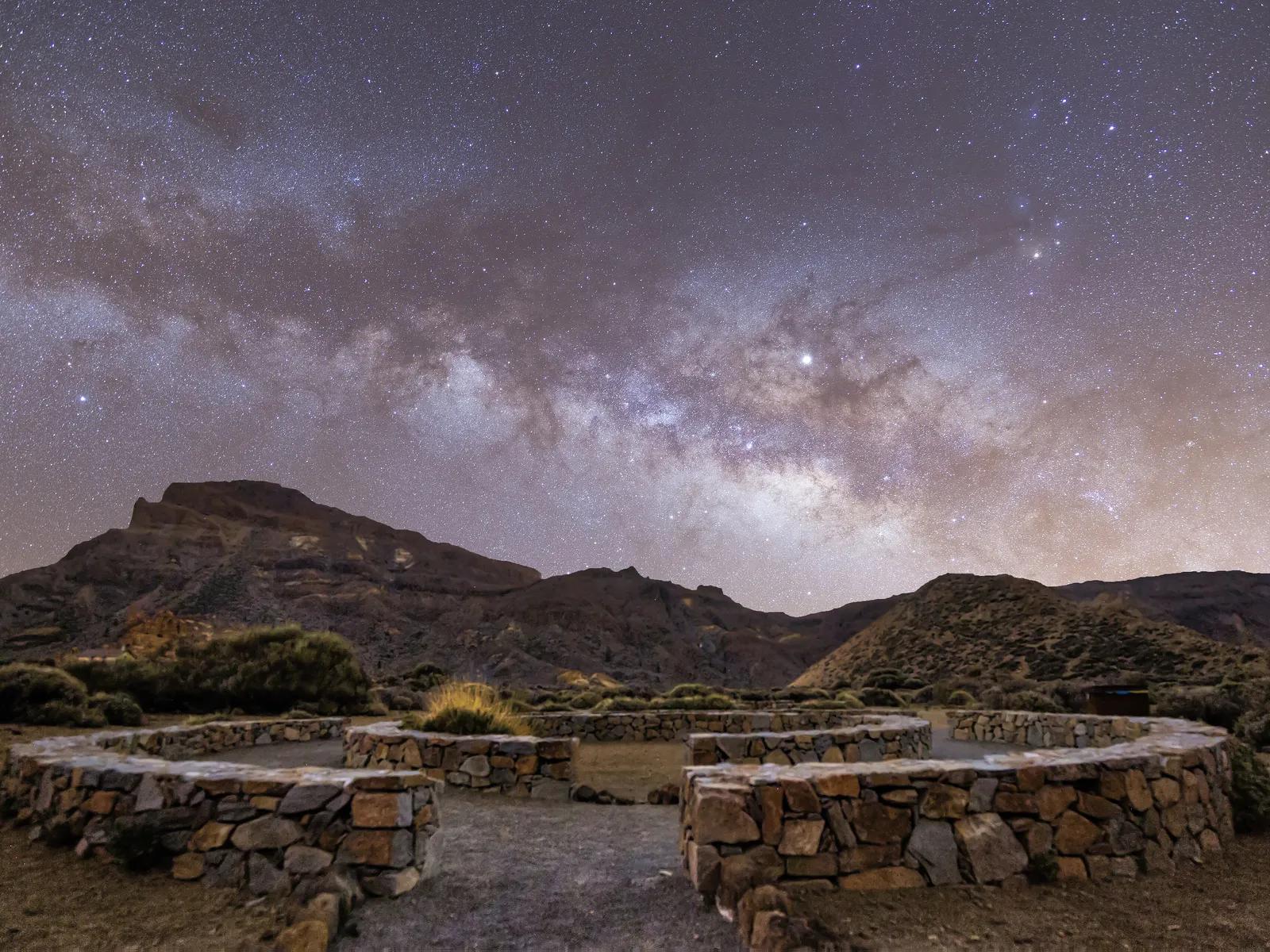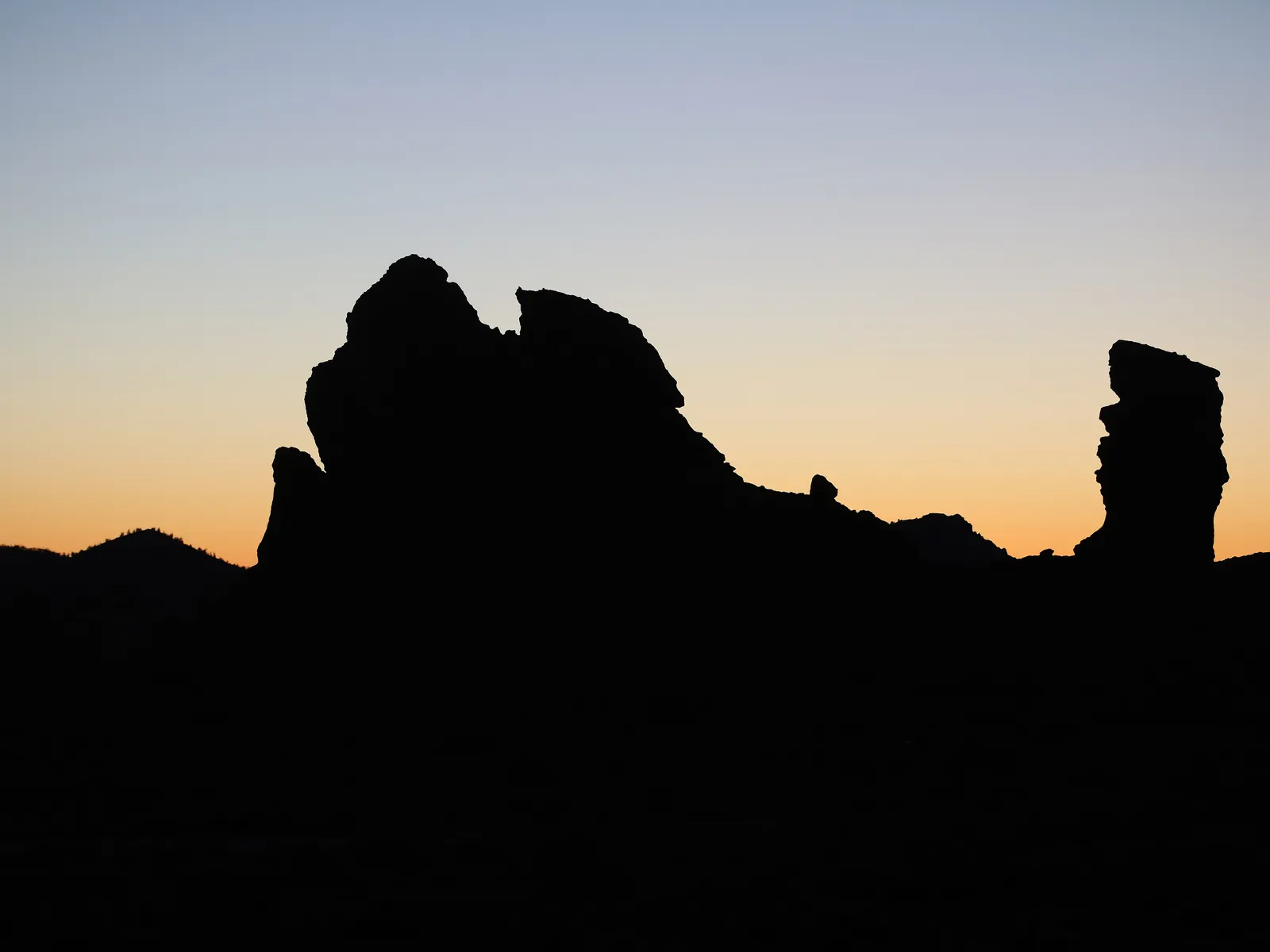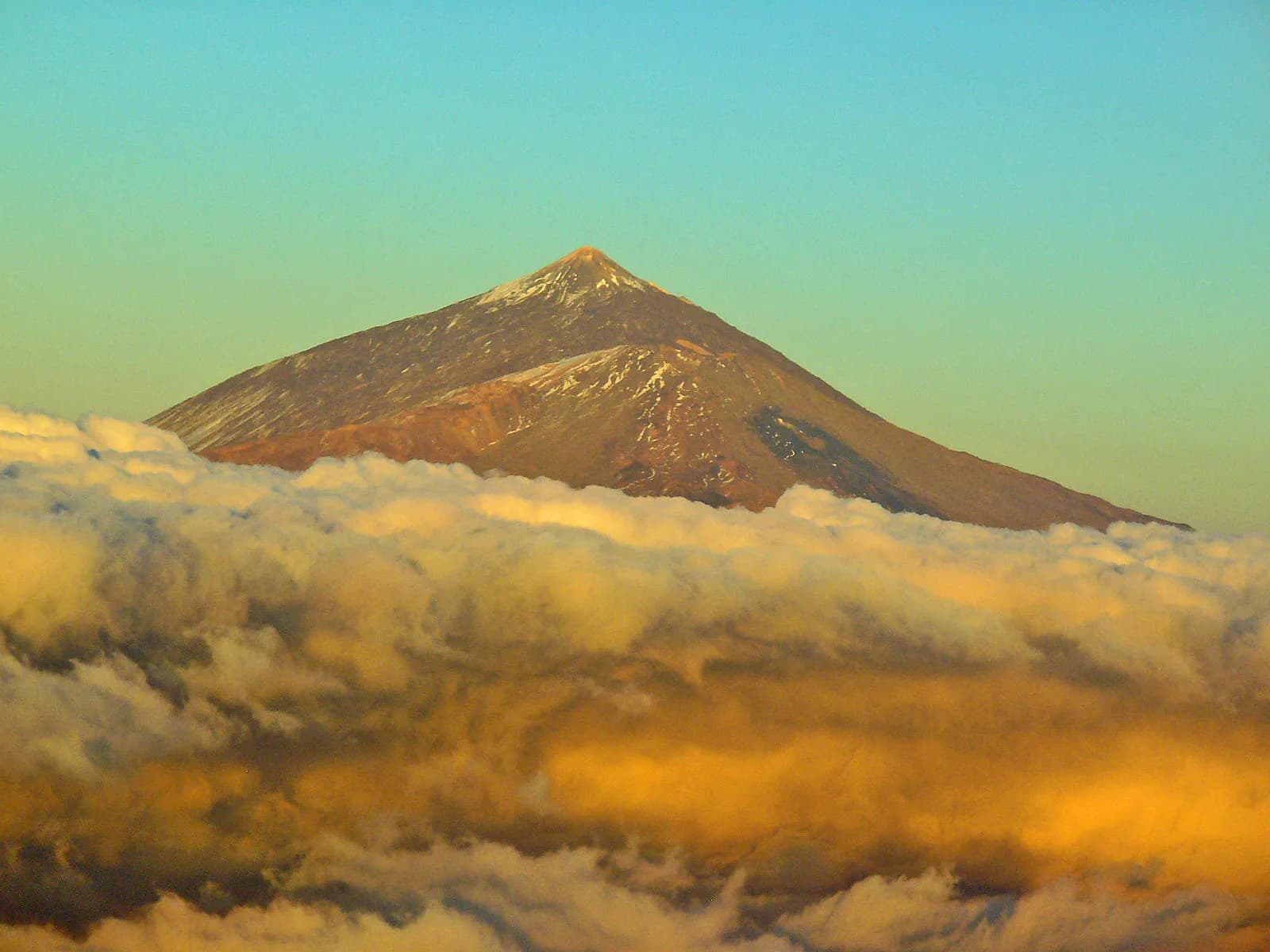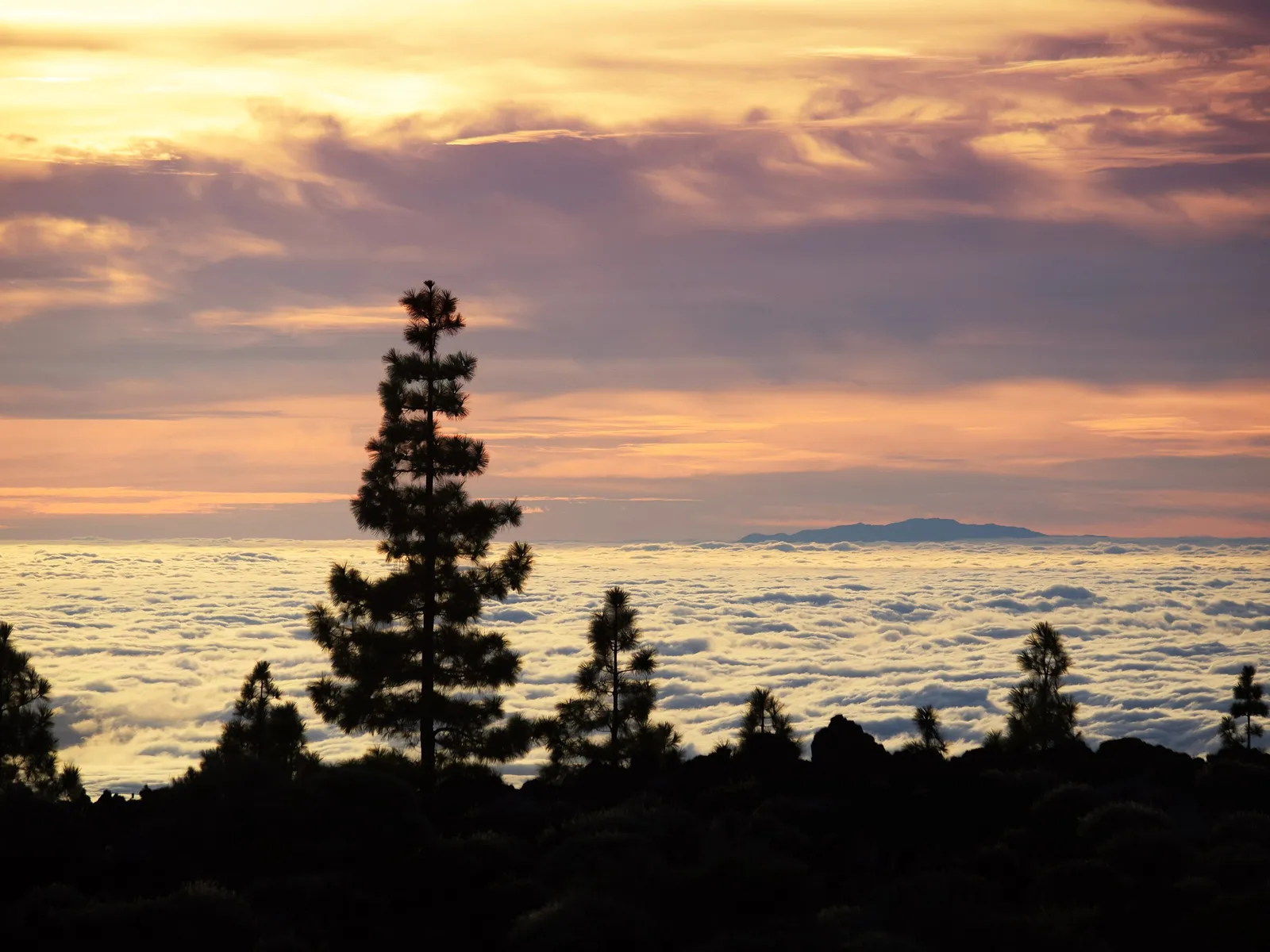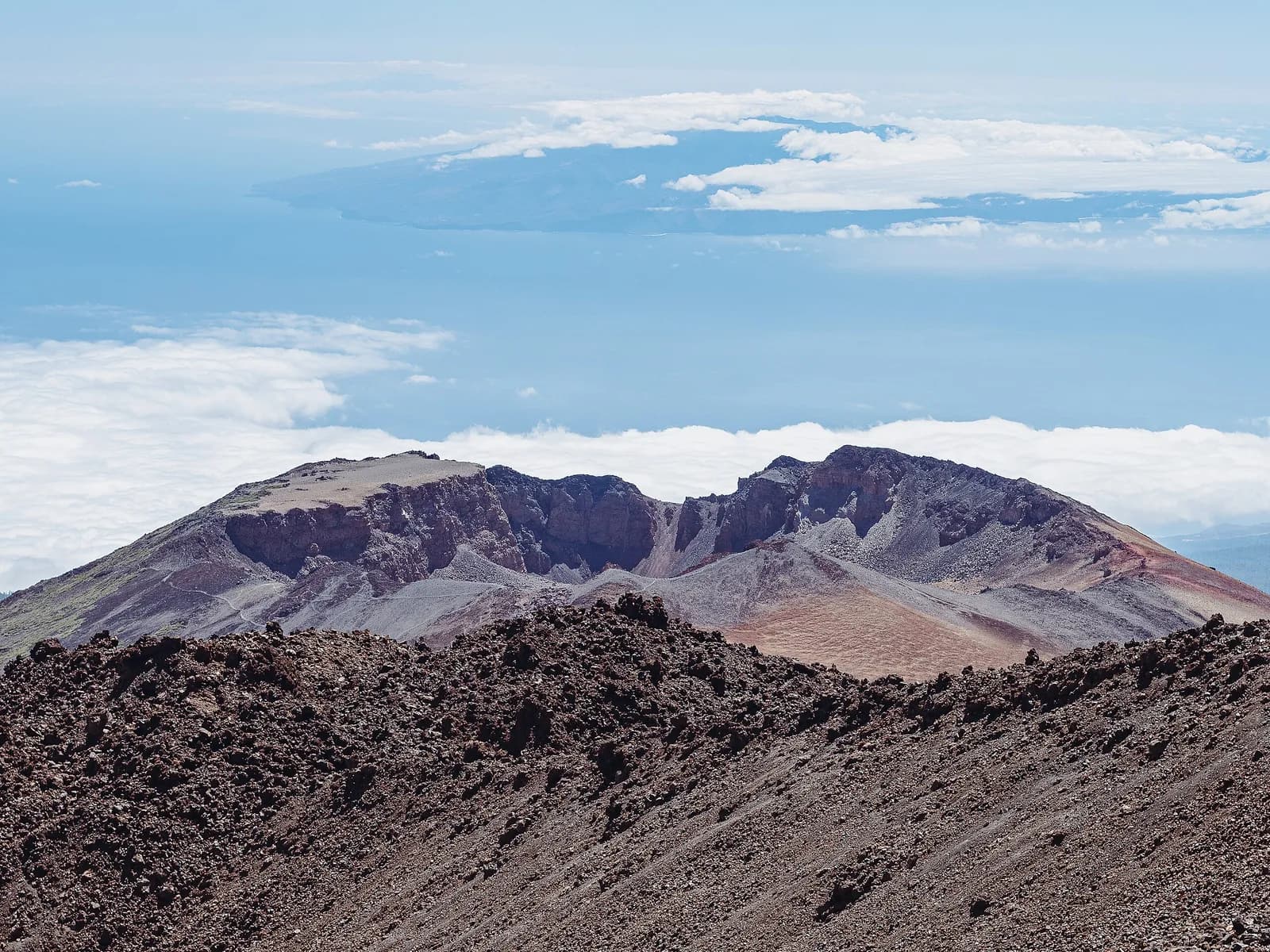
Watching the sunset above the clouds and then the Milky Way with the naked eye is one of the great things to do in Tenerife. Teide National Park combines altitude, dry air and a sky protected by law, which is why the Canary Islands Institute of Astrophysics has an observatory here. Here's how to do it.
Which tour to choose?
| Activity | Rating | From |
|---|---|---|
| Tenerife: sunset and stargazing in Teide National Park Book | 4.7★ (3,691) | €35 |
| Tenerife: Stargazing in Teide National Park Book | 4.9★ (556) | €35 |
| Tenerife: Teide National Park Sunset and Stargazing Tour Book | 4.2★ (4,770) | €40 |
| Teide: sunset and stargazing with telescopes, pickup and dinner option Book | — | €40 |
| Teide: Sunset Above the Clouds and Stargazing Book | 4.4★ (383) | €60 |
| Astronomy Tour with a Sunset Toast, Picnic and Astrophotography Book | 4.7★ (131) | €39 |
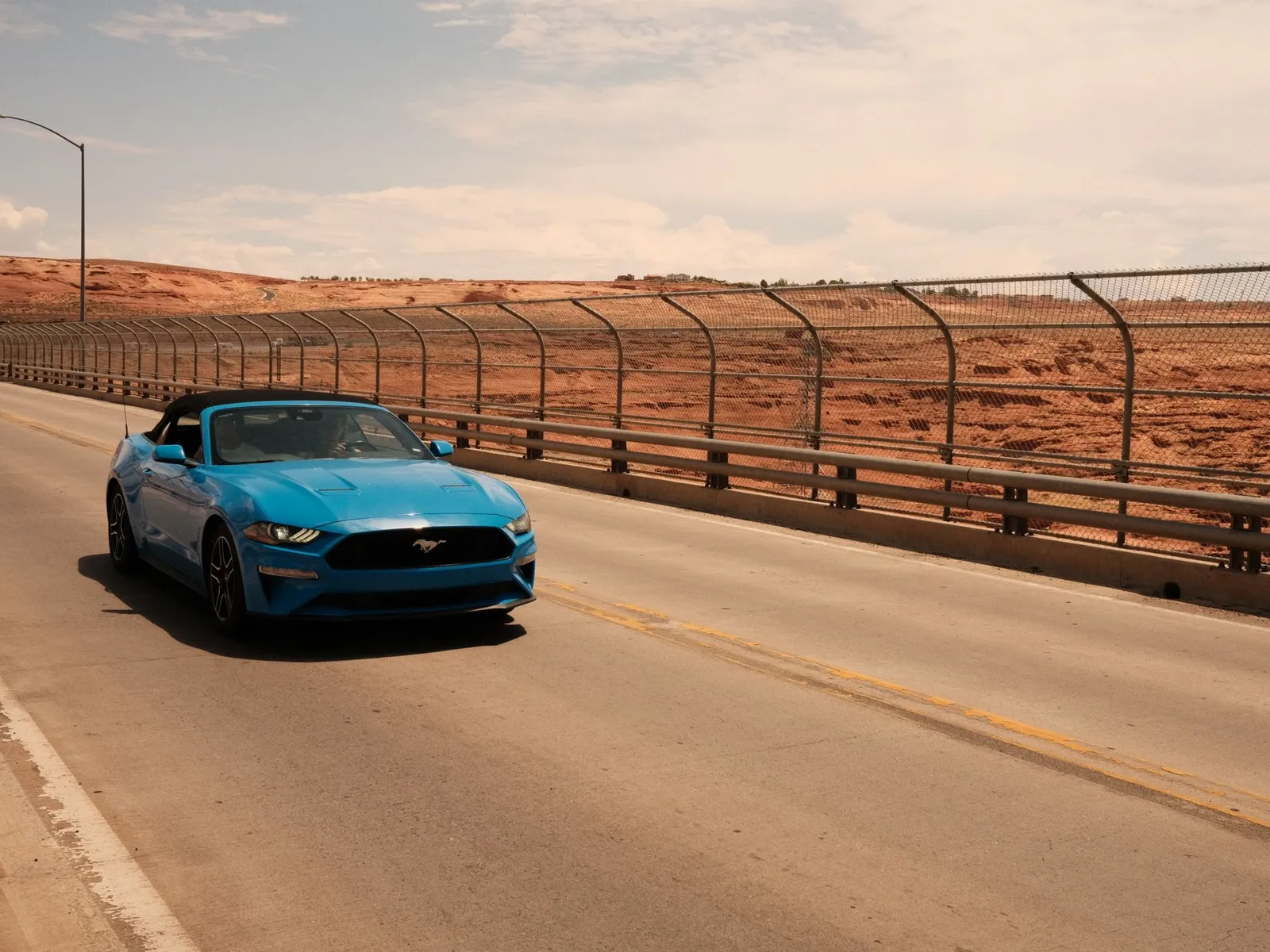
| Tenerife: Sunset Drive to Teide in a Ford Mustang Convertible Book | 4.9★ (152) | €125 |
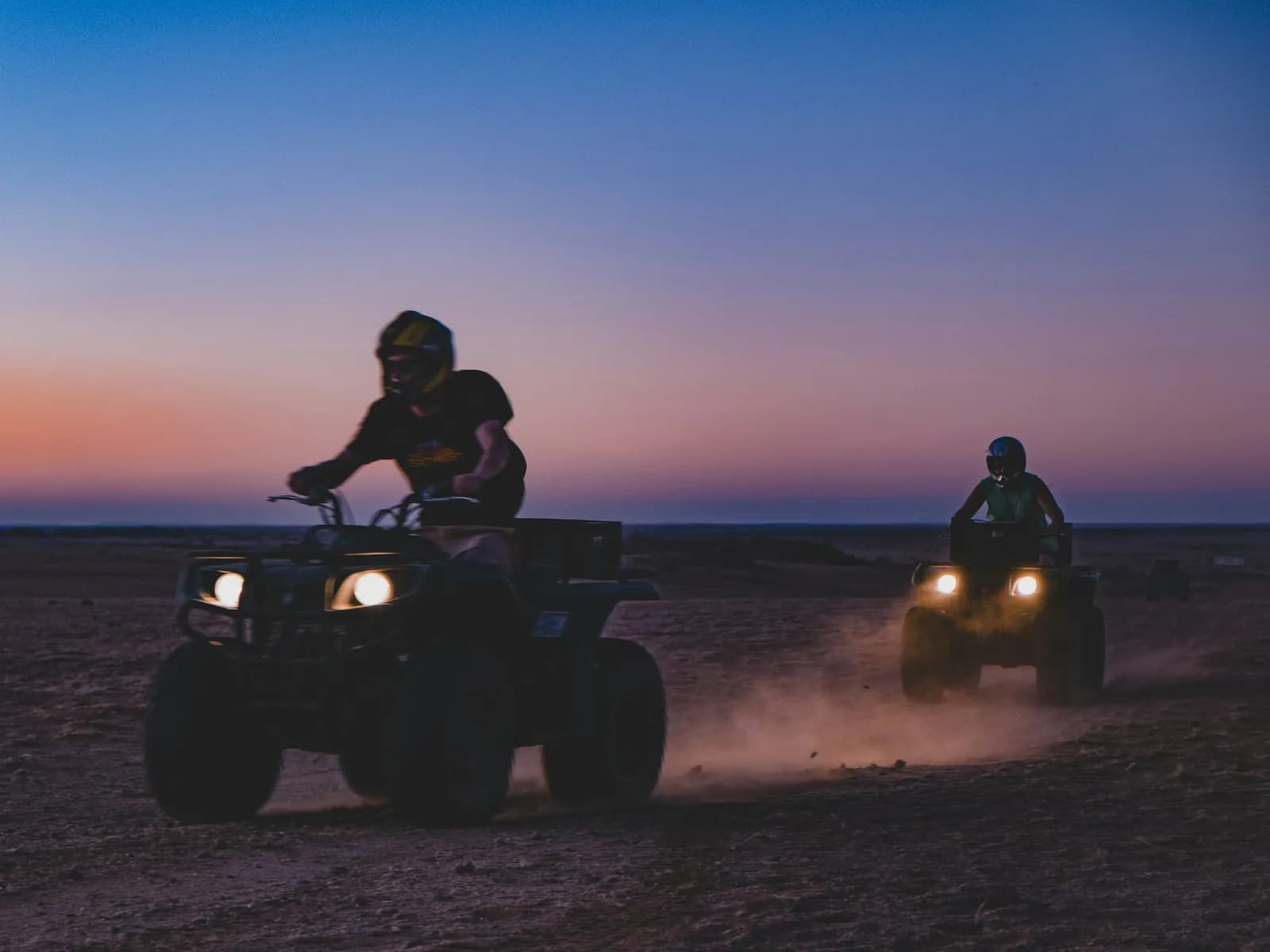
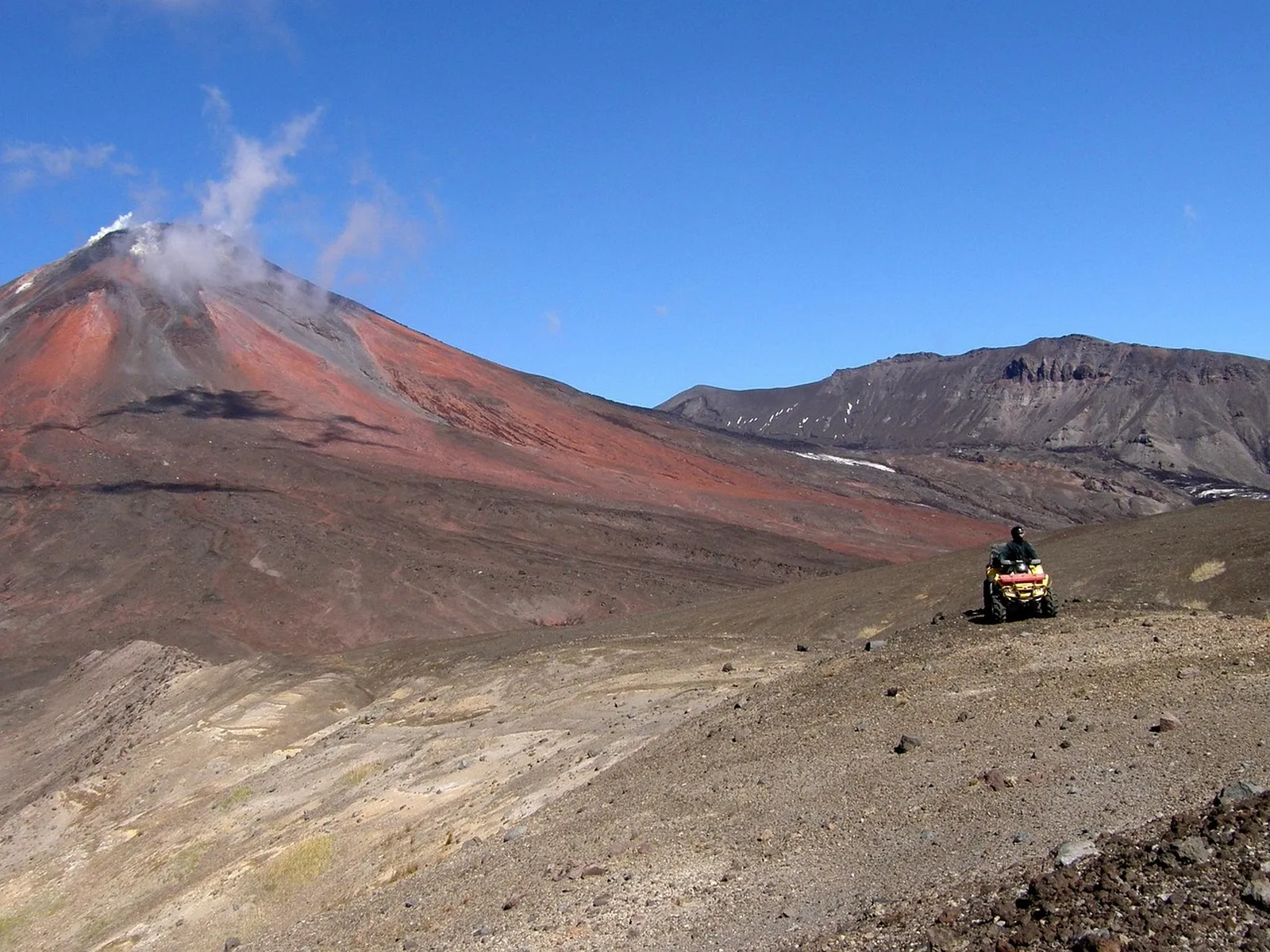
| Teide by quad from Chío: daytime or sunset Book | 4.7★ (1,640) | €55 |
The key: a sunset + stargazing tour with telescopes is the most complete option and saves you driving at night. If you only want the sky, there are short stargazing sessions of about 2 hours.
Why the Teide sky is special
- Altitude: the park is above 2,000 metres, above much of the atmosphere and humidity.
- Sea of clouds: on many evenings a layer of cloud sits below and hides the light from the coastal towns.
- Sky Law (1988): it limits light pollution on the island to protect the observatories of the Canary Islands Institute of Astrophysics.
Types of tour
- Sunset + stars (3-5 h): hotel pick-up, sunset above the clouds and stargazing with telescopes and a laser to point out constellations. Some include dinner or a picnic.
- Stargazing only (about 2 h): you meet the guide in the park and look through telescopes.
- With astrophotography: you take home photos of the sky or a galaxy taken with the guide's equipment.
- By quad, buggy or convertible at sunset: more adventure and less astronomy; you see the sunset but there are no telescopes.
When to go
- Moon: new-moon and waning nights are best; at full moon you see far fewer stars, though the Moon through a telescope is spectacular.
- Season: all year. Summer is usually clearer and the Milky Way is high; winter is colder.
- Weather: with high cloud or strong wind the tour may be cancelled or moved.
Before you book
- Cold: at night at that altitude it can drop below 0 °C. Some tours lend jackets or blankets; ask.
- Altitude: if you have heart or breathing problems, check first; some tours don't recommend it.
- Pick-up: many leave from the south (Costa Adeje, Las Américas, Los Cristianos), others from the north (Puerto de la Cruz). Check the listing.
- Children: welcome, but you get back late.
What to bring
A warm jacket, hat and gloves, closed shoes, water and a snack if not included. A red-light torch helps you not dazzle others.
If you want to go up by day, see climbing Mount Teide. More ideas in what to see in Tenerife.
In one sentence
Pick a moonless night, book a sunset tour with telescopes, dress for winter and you'll see one of the best skies in the world.