The 2027 calendar
| Day | Date | Don't miss |
|---|---|---|
| Palm Sunday | 21 March | La Borriquita in the early afternoon, great with kids; La Estrella and La Amargura |
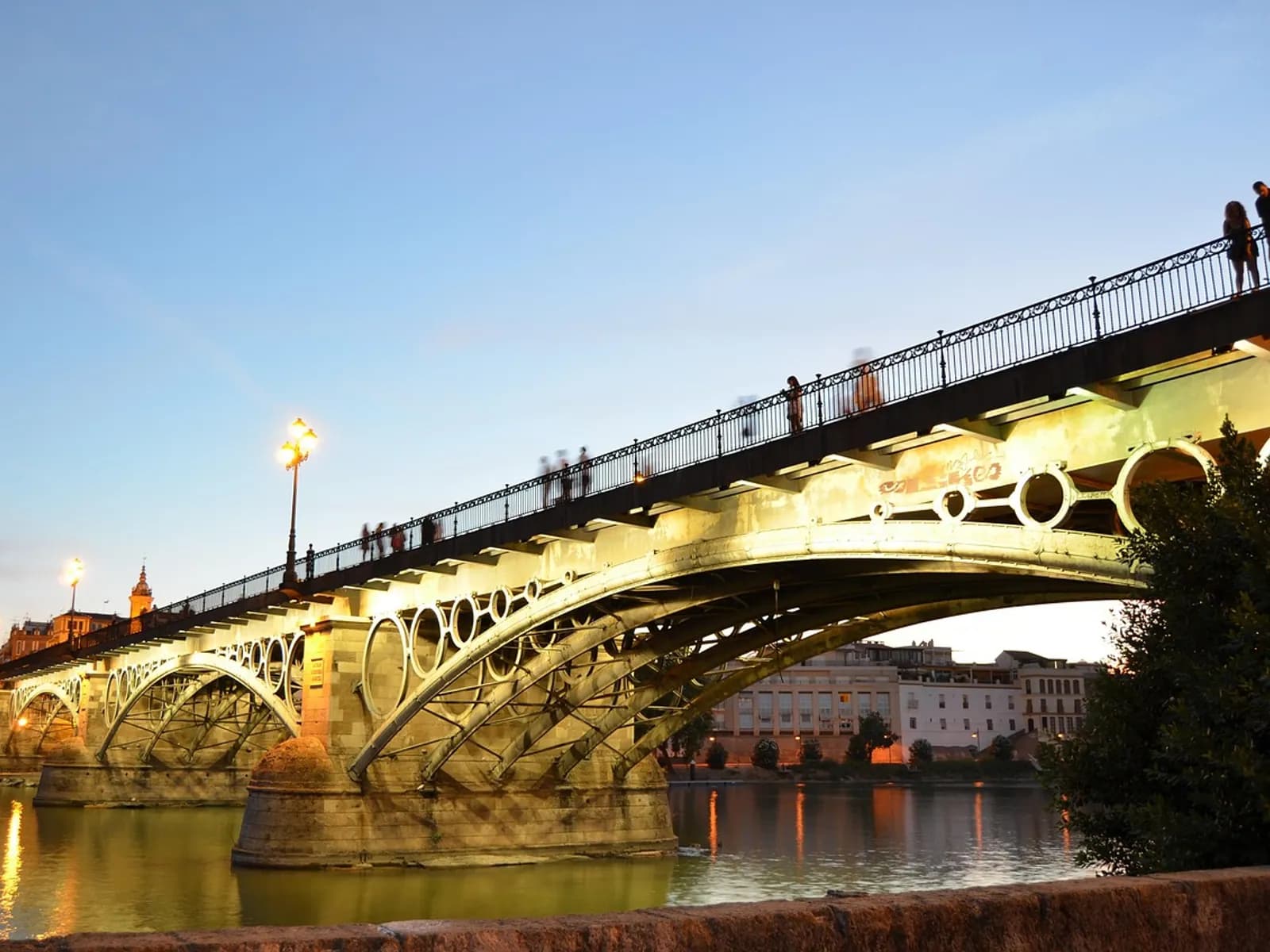
| Holy Monday | 22 March | San Gonzalo crossing the Triana bridge |
| Holy Tuesday | 23 March | Los Estudiantes, leaving from the University |
| Holy Wednesday | 24 March | La Sed, in daylight and with big crowds |
| Maundy Thursday | 25 March | Public holiday in Andalusia; an afternoon of processions and masses |
| Madrugá | Night of 25 into 26 | La Macarena, El Silencio, El Gran Poder, the Esperanza de Triana, El Calvario and Los Gitanos |
| Good Friday | 26 March | El Cachorro, from Triana, in the afternoon |
| Holy Saturday | 27 March | The Santo Entierro |
| Easter Sunday | 28 March | La Resurrección, in the morning, closes the week |
Times change every year: the Council of Brotherhoods publishes the official schedules and routes a few weeks before. For reference, in 2026 La Macarena and El Silencio left at midnight, the Gran Poder at 1:00 and the Esperanza de Triana at 1:35.
The Madrugá, the night to experience
It's the night from Maundy Thursday into Good Friday, and it draws the biggest crowds of the week. If you can only see one thing, make it this.
- Pick one brotherhood and its neighbourhood rather than trying to see them all. La Macarena leaving its basilica, or the Esperanza de Triana crossing the bridge, are two of the most moving moments of the week.
- Go early and stay put: after midnight, getting around the centre is almost impossible.
- Wrap up: it can be 20 °C during the day, but the small hours drop below 10 °C.
Where to watch: street, chair or balcony
- On the street, in the neighbourhoods: free, and with more atmosphere than in the centre. Look up the routes and wait on a narrow corner: you see the float up close and hear the silence.
- Carrera Oficial chairs: sold by annual season pass through the Council of Brotherhoods. Holders renew in January and only the chairs left free go on sale, so for a visitor getting one is almost impossible.
- Balconies: private listings run €80 to €200 a day, and over €250 or €300 for good spots on the Madrugá or Good Friday.
Getting around in the crowds
- Never cut through a line of nazarenos: wait for a gap or go round by another street.
- Bring water, a snack and comfortable shoes: one brotherhood can take more than an hour to pass by.
- With kids, the Palm Sunday afternoon processions are the best: more daylight, smaller crowds and sweets handed out by the nazarenos.
- The centre is closed to traffic: get around on foot and leave the car outside.
What to do in the mornings
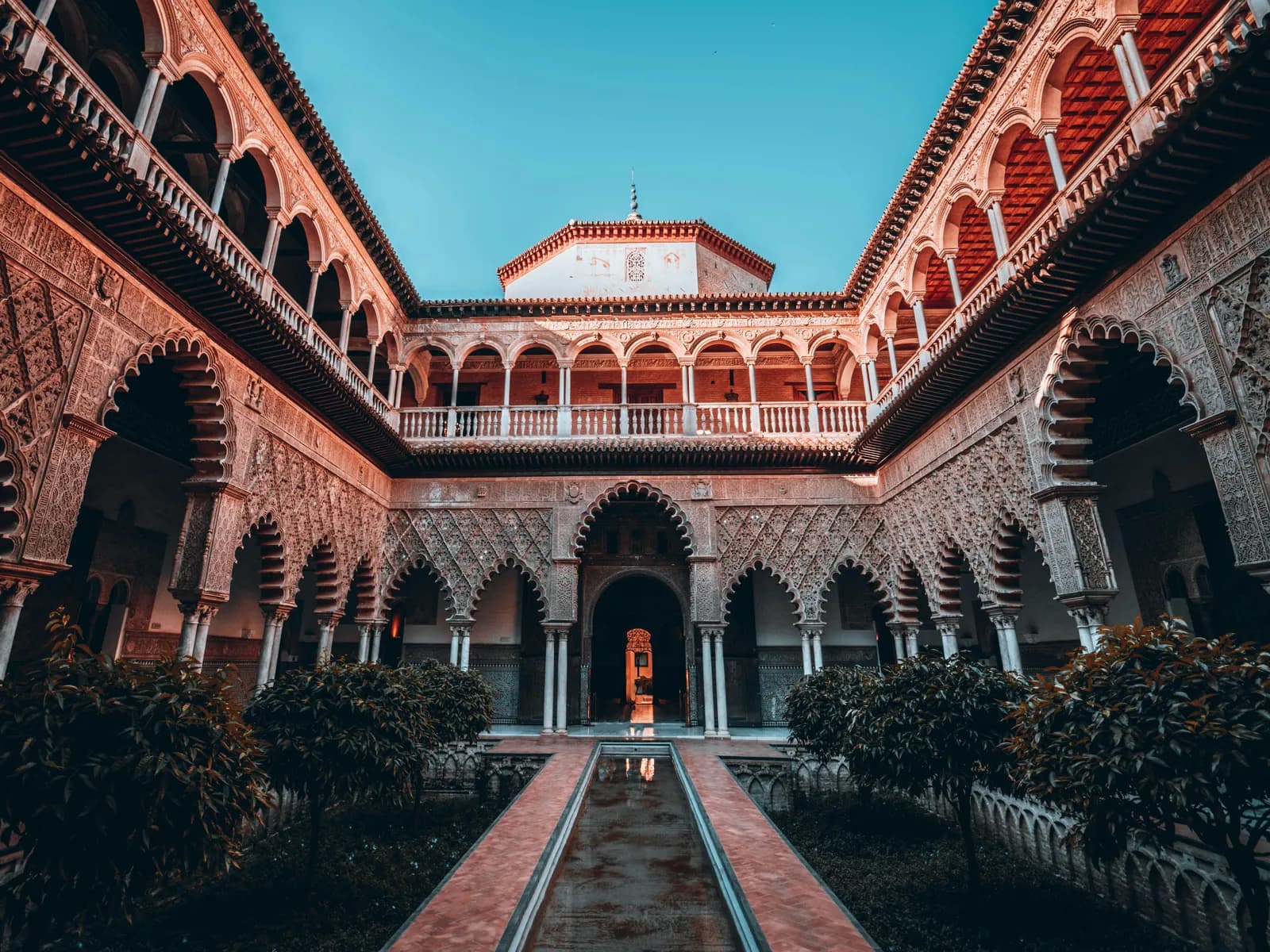
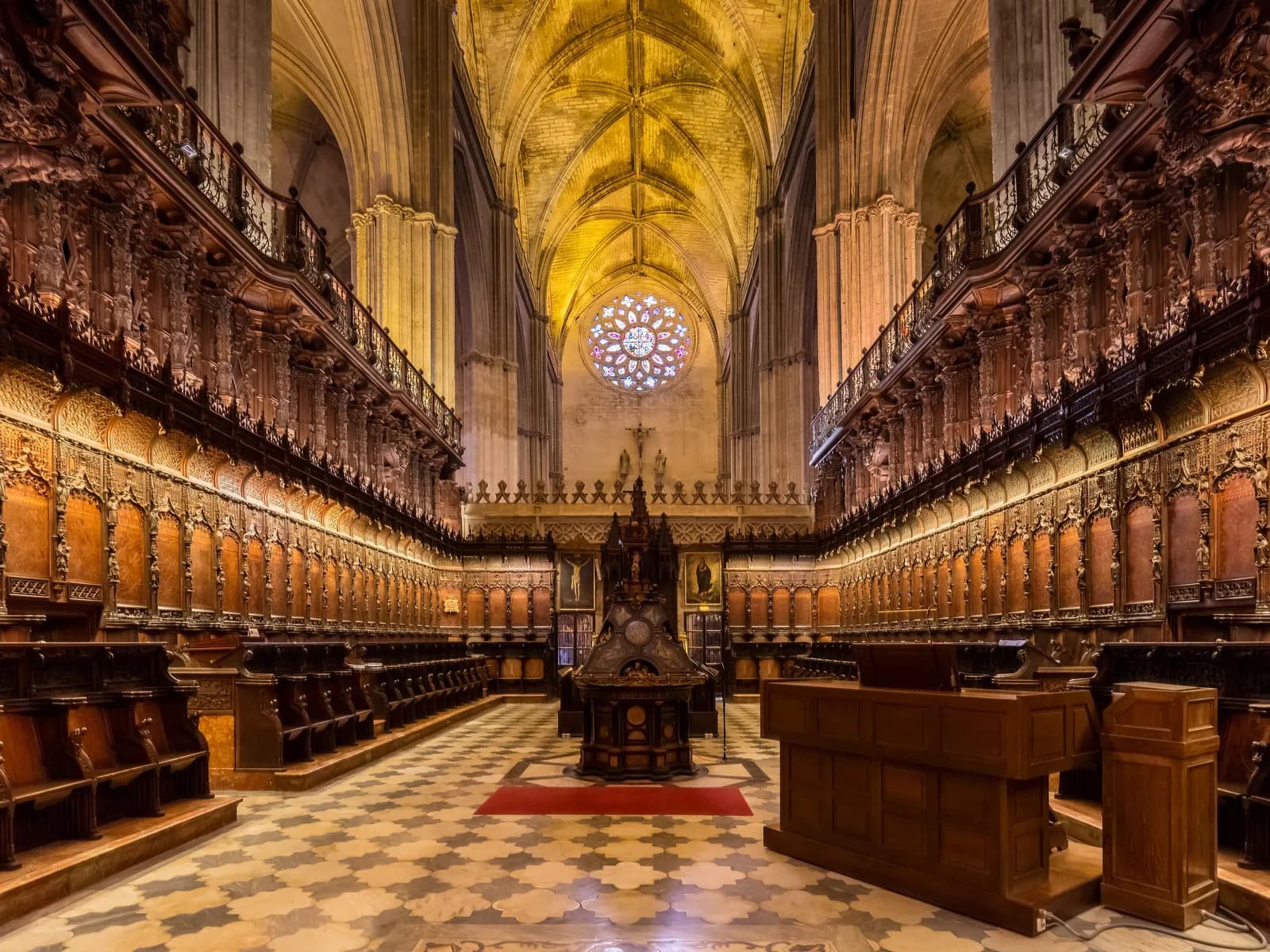
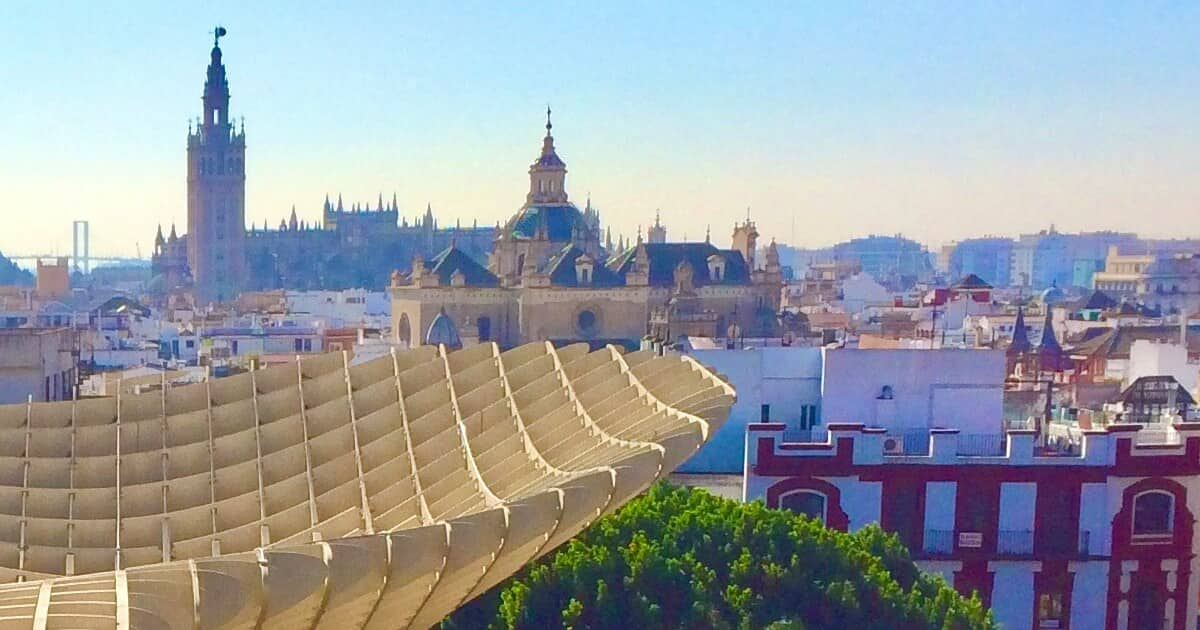
The processions mostly go out in the afternoon and at night, so mornings are free for the monuments. The Real Alcázar is your best bet: buy tickets in advance, because that week it sells out easily. The Cathedral changes its visiting hours during Holy Week, so check its calendar before booking. A boat trip on the Guadalquivir or a walking tour of the centre gets you oriented before the processions.
If you have an extra day
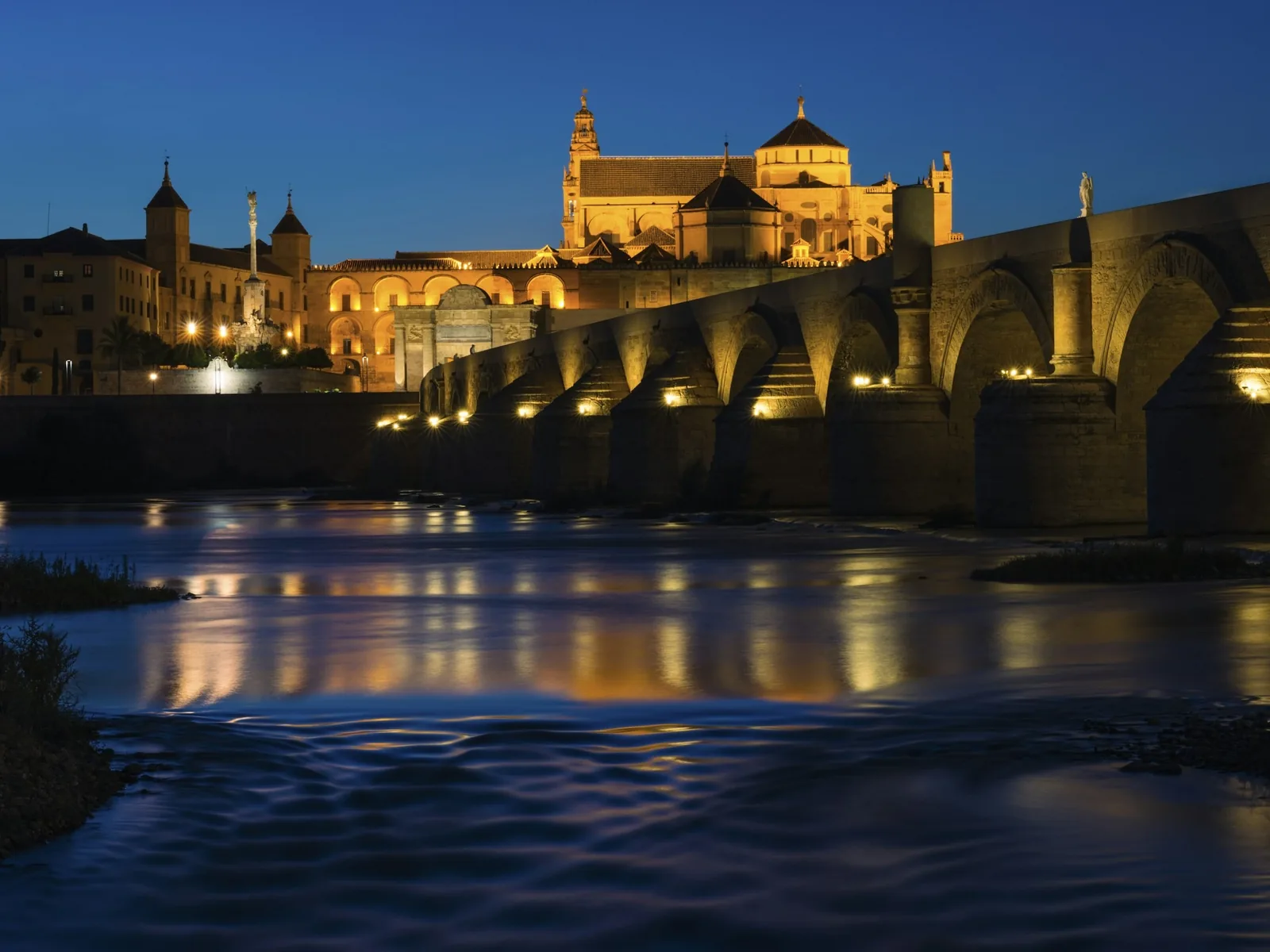
Fallas ends on Friday 19 March and Holy Week starts on Sunday 21, so in 2027 you can combine Valencia and Seville in one trip. From Seville, Córdoba is 45 minutes by high-speed train, and its Holy Week is calmer.
Common mistakes
- Booking your hotel in February: for Holy Week, people book months ahead and prices soar.
- Planning with last year's times: they change. Use the official 2027 ones as soon as they're out.
- Trying to see the whole Madrugá: you'll end up seeing bits of four brotherhoods from far away. One or two, seen well, is better.
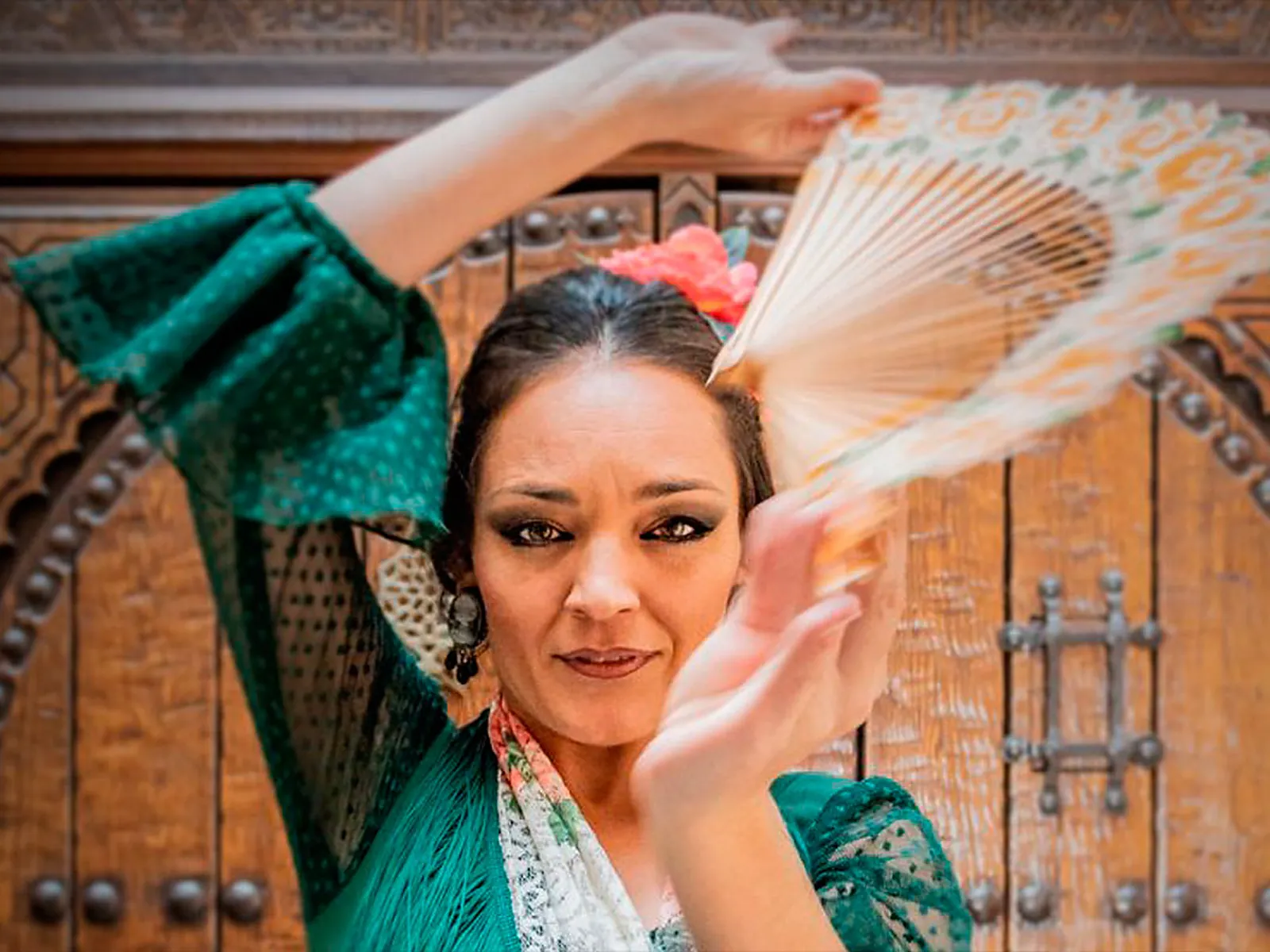
- Forgetting about rain: if it rains, the brotherhoods don't go out or take shelter in a church. Have an indoor plan B, like a flamenco show.