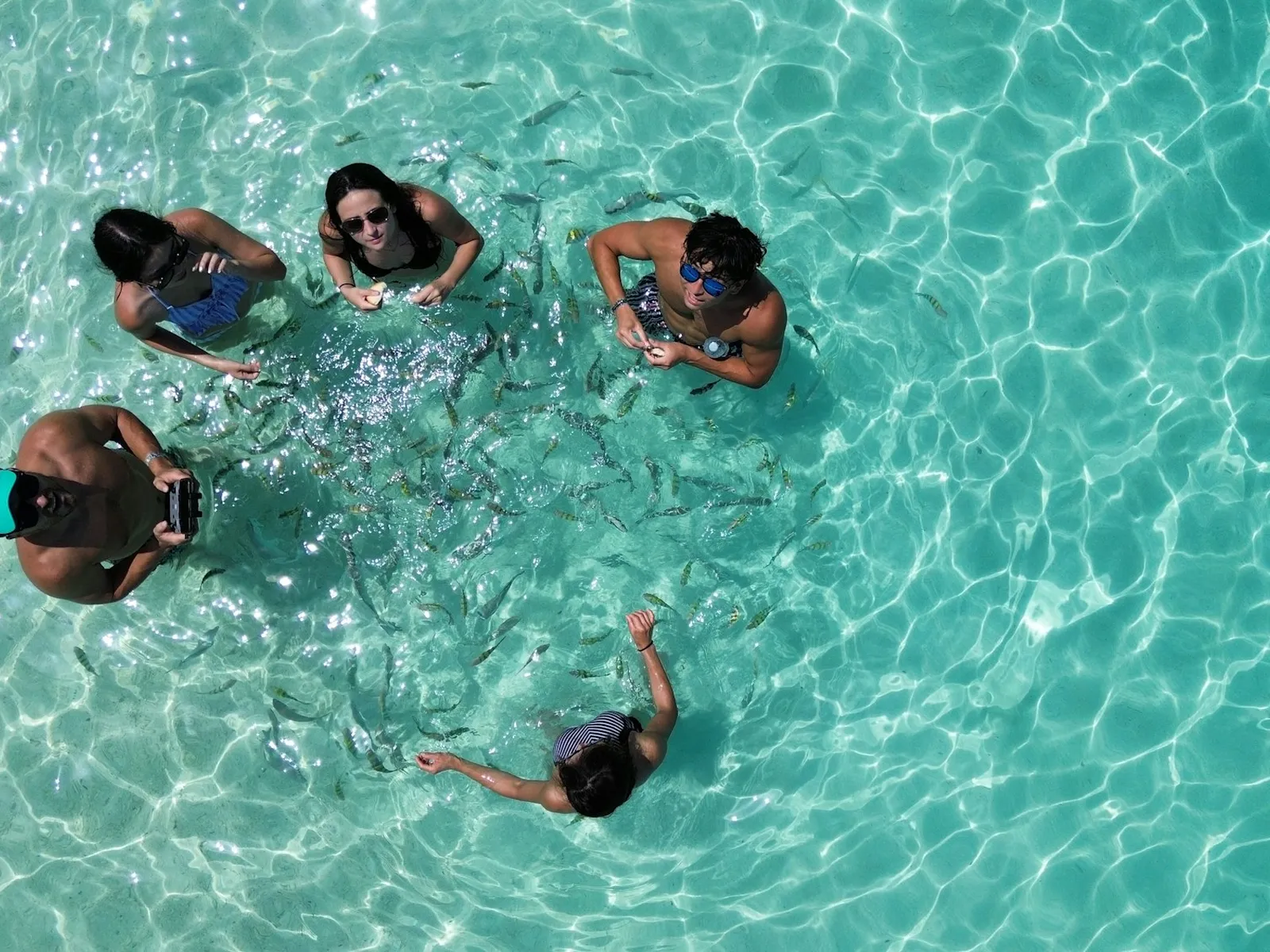
Gran Canaria has warm water all year, good visibility and volcanic seabeds full of life: parrotfish, rays, schools of grunts and, with luck, turtles. You can take a look with a mask and snorkel at a sheltered beach or do your first scuba dive with no experience at all. Here's how to choose.
Which activity to choose?
| Activity | Rating | From |
|---|---|---|
| Gran Canaria: Scuba Diving for Beginners Book | 4.8★ (508) | €89 |
| Las Palmas: Snorkelling Tour at Las Canteras Beach Book | 4.5★ (455) | €39 |
| Gran Canaria: Beginner Scuba Diving in Puerto Rico Book | 4.7★ (106) | €90 |
| Gran Canaria: Discover Scuba Diving Beginner Programme Book | 4.5★ (107) | €99 |
| Gran Canaria: Learn to Dive with an Expert at a Sheltered Beach Book | 4.5★ (133) | €85 |
| Gran Canaria: Snorkelling Boat Trip on the West Coast Book | 4.6★ (69) | €69 |
| Gran Canaria: shared yacht trip with open bar, snacks and snorkeling Book | 4.7★ (896) | €68 |
| Puerto Rico, Gran Canaria: Boat Trip with Tapas and Snorkelling Book | 4.5★ (704) | €48 |
The key: if you want to see fish without fuss, do a guided snorkel at Las Canteras or on a boat trip. If you'd like to try diving, a 3-hour try dive is the safest way to start.
Snorkelling: where and how
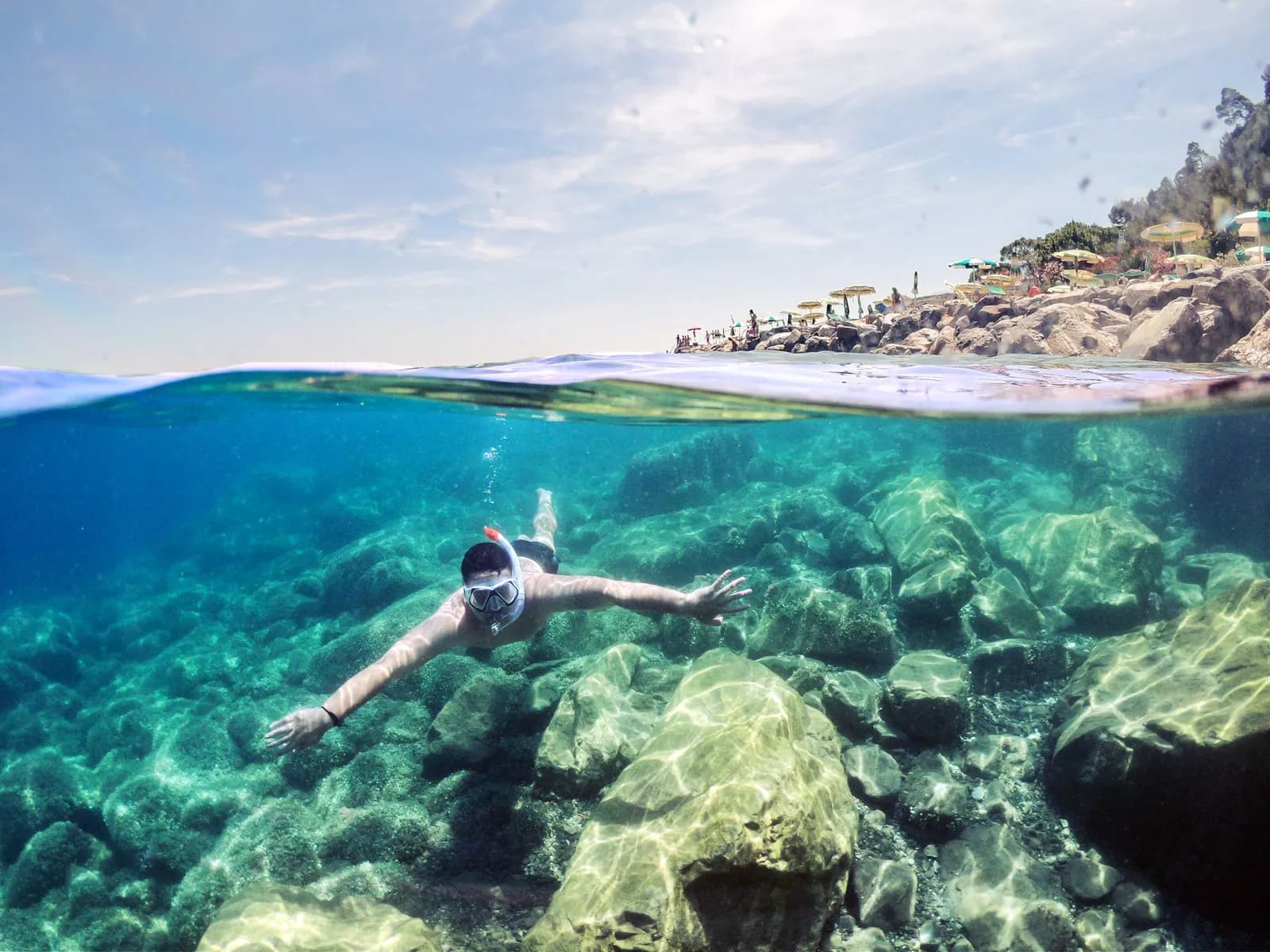
- Las Canteras (Las Palmas): a natural rock barrier, La Barra, breaks the waves and creates a very calm lagoon. The best choice for beginners and families, with guided trips and gear.
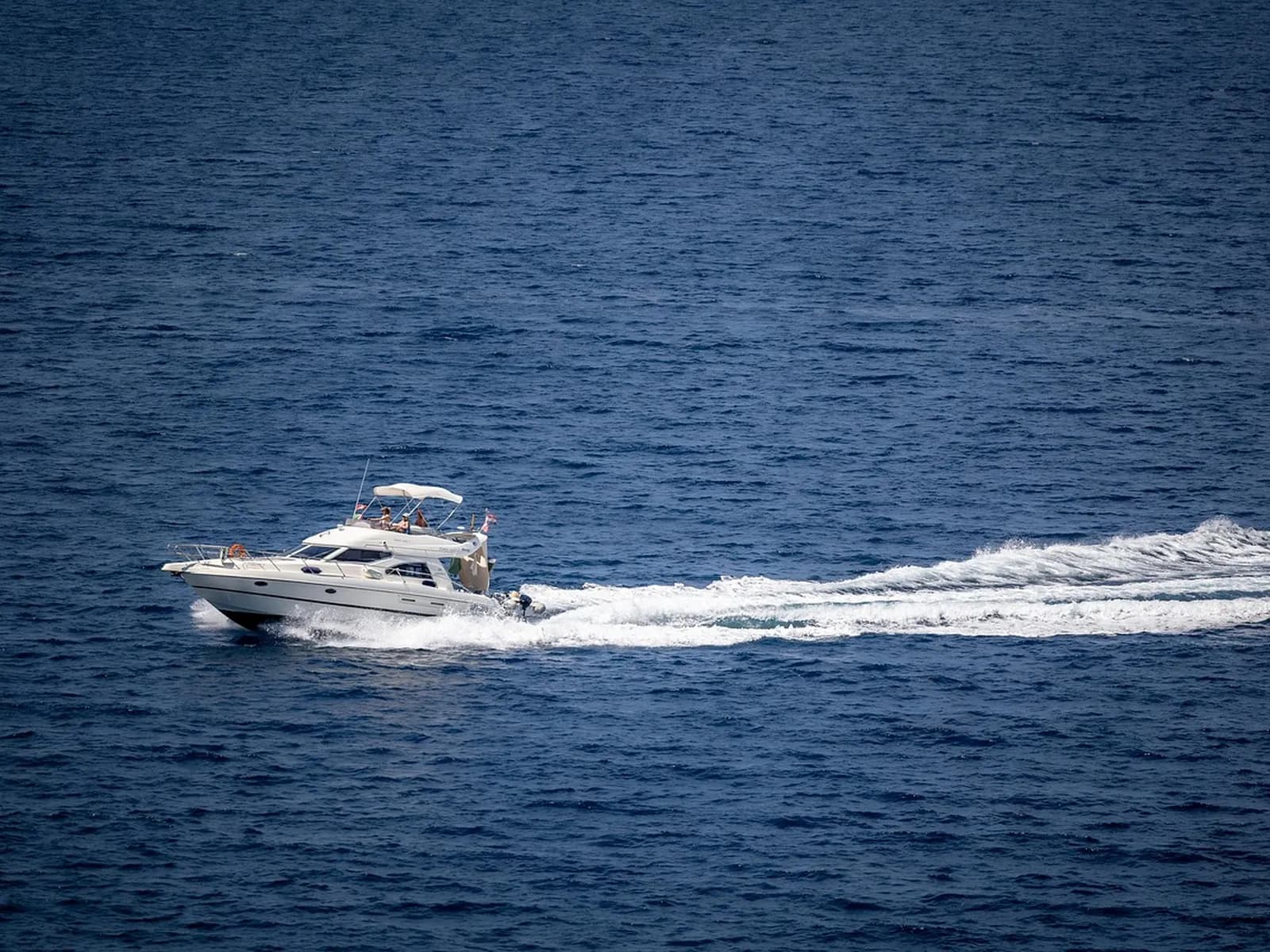
- By boat in the south: catamarans and yachts from Puerto Rico or Mogán stop in clear-water coves. Snorkelling, swimming and sometimes dolphins.
- Kayak and snorkel in Mogán: you paddle to sea caves and swim in spots you can't reach on foot.
Try dive: what to expect
- Who it's for: anyone who can swim and is in good health, with no certificate or experience. The minimum age is usually 8-10, depending on the centre.
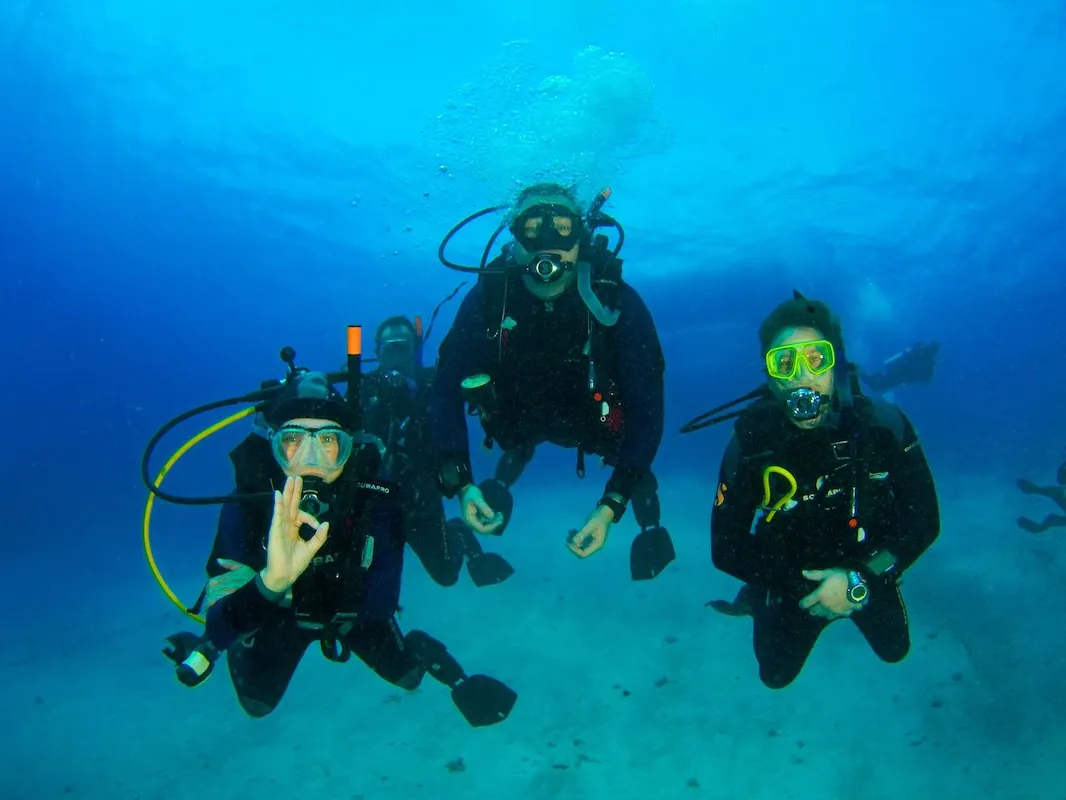
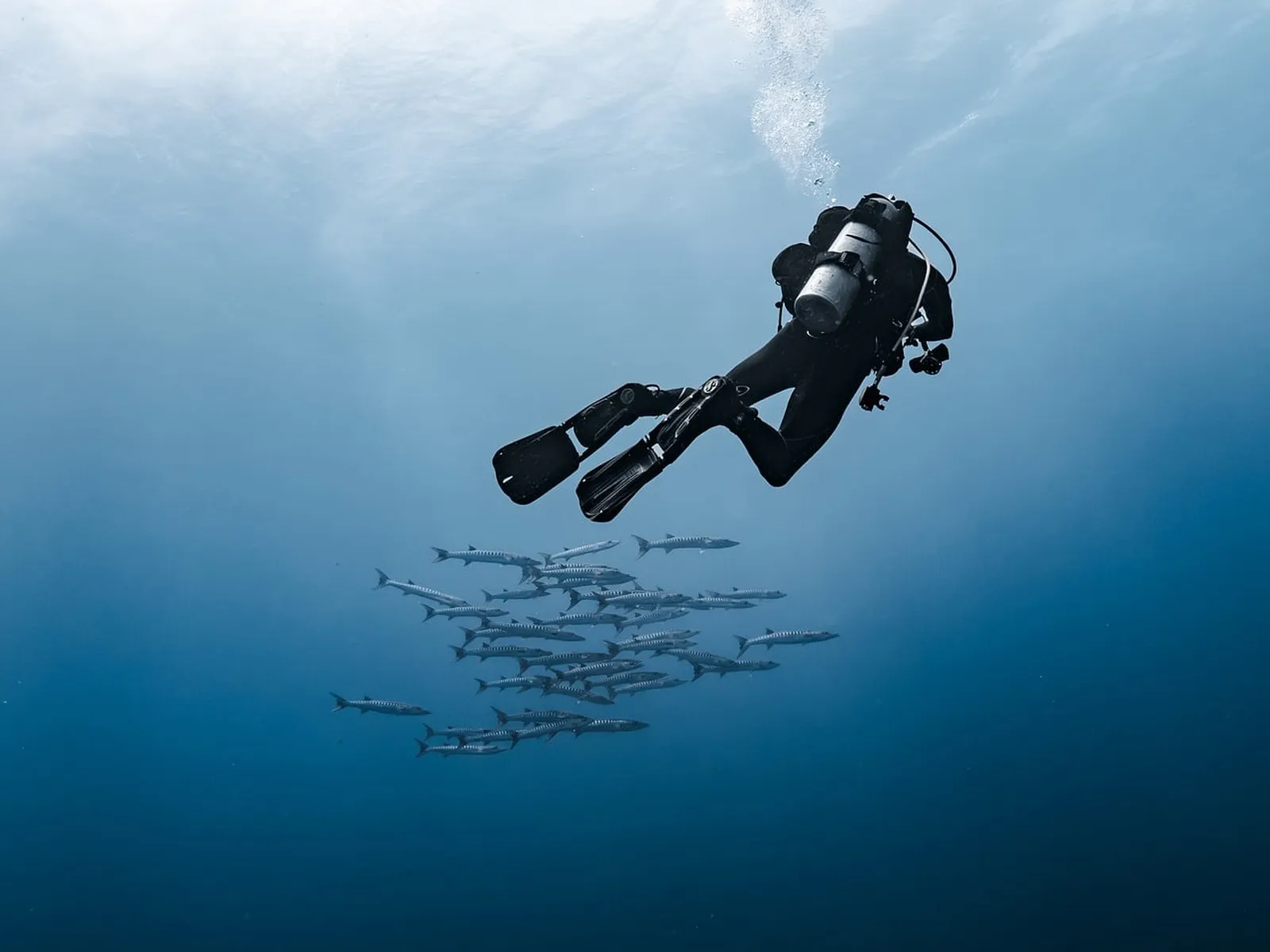
- What it's like: a briefing on land, practice in shallow water and a 30-45-minute dive with the instructor beside you, down to about 12 m at most.
- Where: sheltered beaches in the south and east, Puerto Rico or Las Canteras, depending on the centre and the sea.
- What's included: all the gear (wetsuit, tank, regulator, mask and fins) and sometimes photos.
If you're already certified
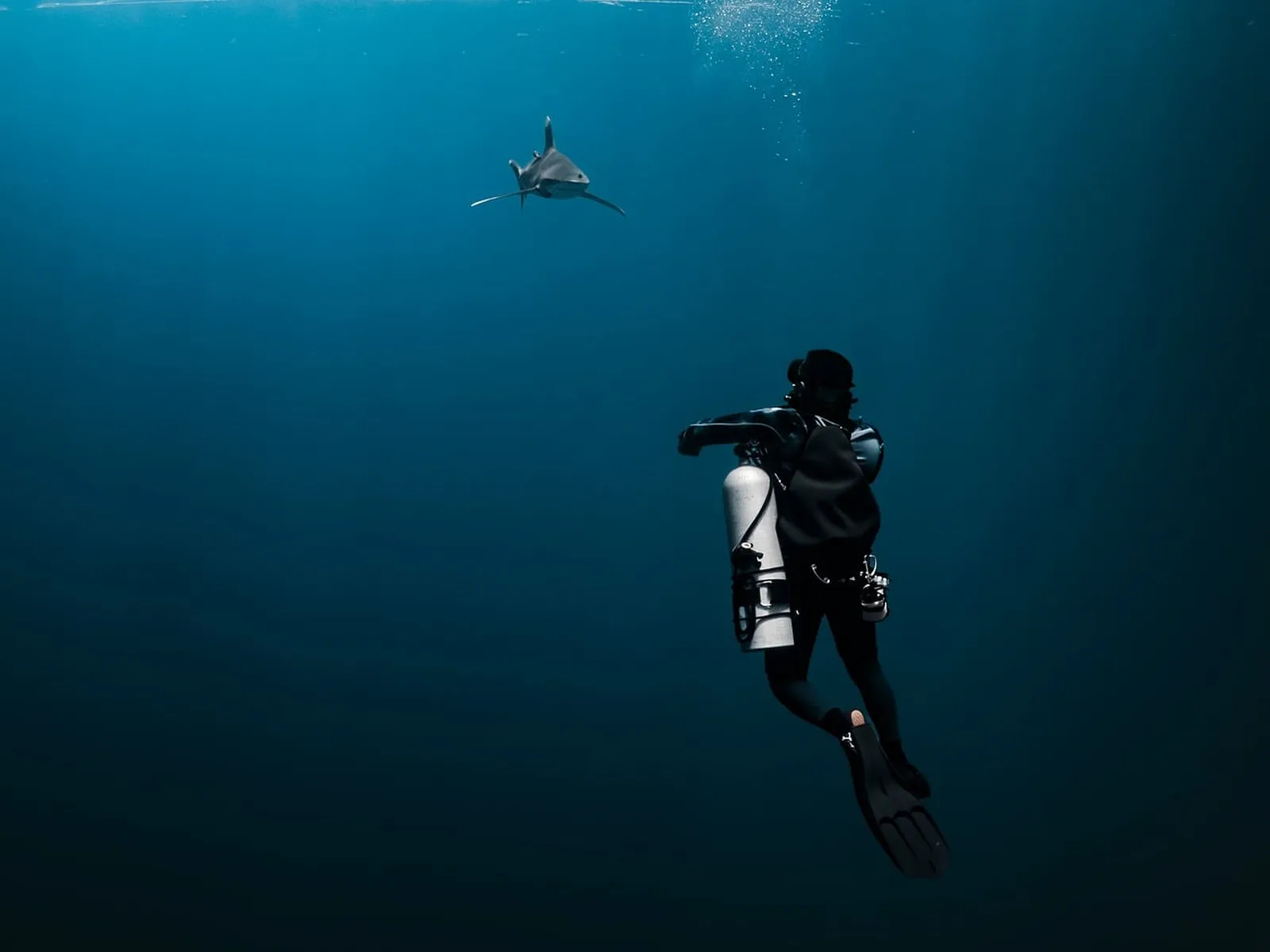
Gran Canaria has good dives for certified divers, such as the El Cabrón reserve in Arinaga, with volcanic arches and caves, or the wrecks at Sardina del Norte. Dive centres run shore and boat dives.
Tips
- Tell the centre if you take medication or have ear, heart or breathing problems; you'll be asked to fill in a medical form.
- Don't fly for 12-18 hours after diving.
- Bring swimwear on, a towel and reef-safe sunscreen.
- Don't touch or feed the animals and don't stand on the seabed or reef.
- Mornings are best: less wind and better visibility.
When to go
You can dive all year. The water is around 19 °C in winter and 23-24 °C at the end of summer; in winter the centre will give you a thicker wetsuit.
If you want a day at sea with a swim and food, see our guide to Gran Canaria boat trips. If you're staying in Las Palmas, see what to see in Gran Canaria.
In one sentence
To see fish without fuss, snorkel at Las Canteras or on a boat in the south; to try diving for the first time, a 3-hour try dive with an instructor, no experience needed.