The 2027 calendar
| What | Date | Time and place |
|---|---|---|
| Ninot Exhibition | February to mid-March | Museu de les Ciències |
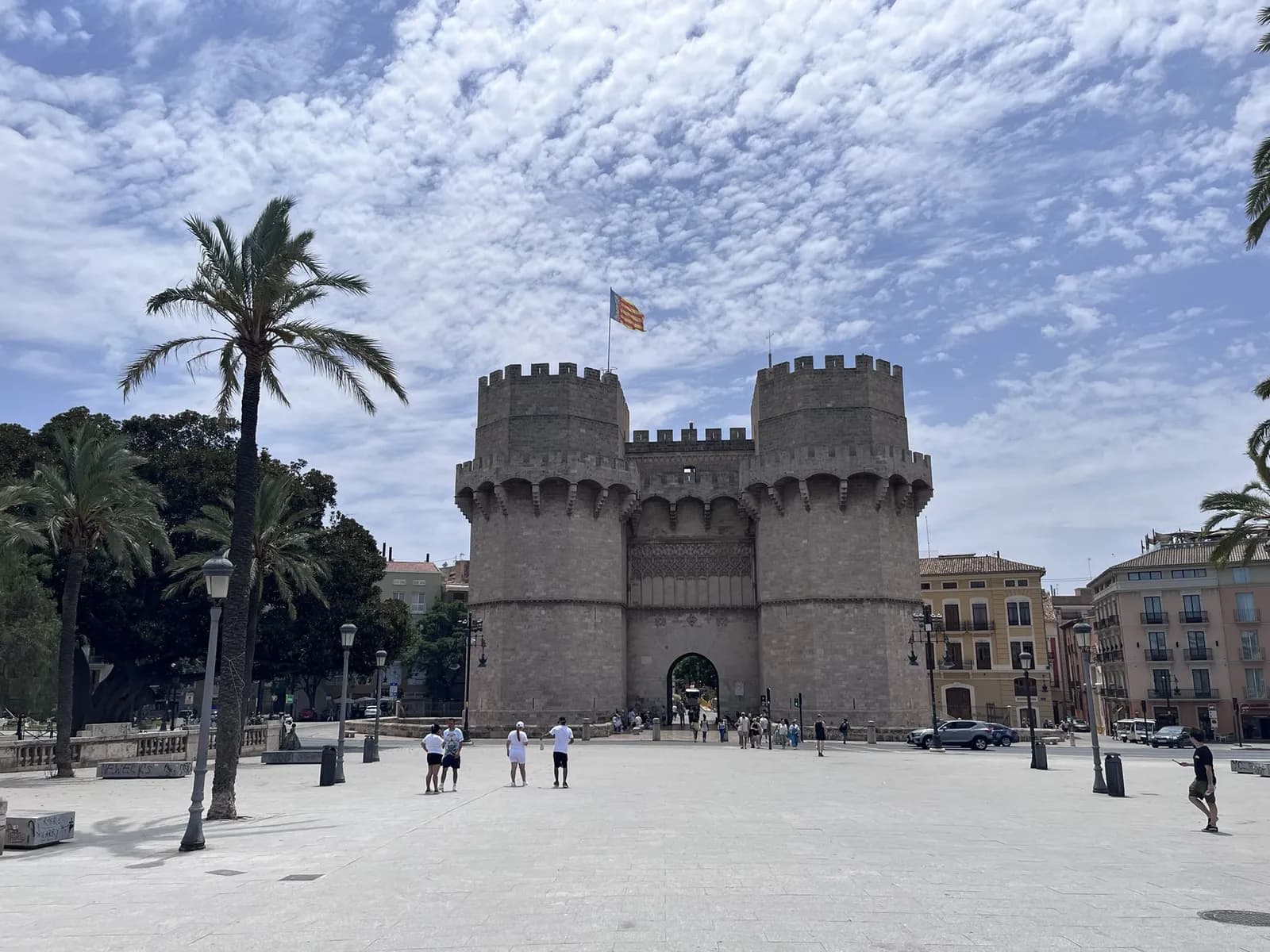
| La Crida (opening speech) | Late February, probably Sunday the 28th | Torres de Serranos |
| Mascletà | Every day from 1 to 19 March | 14:00, Plaza del Ayuntamiento |
| Children's plantà | Monday 15 March | In the morning, all over the city |
| Main fallas plantà | Tuesday 16 March | All over the city |
| Flower Offering | Wednesday 17 and Thursday 18 | Afternoon and night, to Plaza de la Virgen |
| Nit del Foc | Night of Thursday 18 into Friday 19 | Around 1:30, in the old Turia riverbed |
| Cremà | Friday 19 March | Children's fallas around 20:00, main ones at 22:00, and the City Hall falla after midnight |
The official programme with exact times comes out a few weeks before; the ones in this table are the usual ones. We'll update it as soon as it's published.
The mascletà: how to see (and hear) it properly
It's a gunpowder show in broad daylight where what matters isn't what you see but the noise and the vibration you feel in your chest. It lasts a few minutes and ends with the terratrèmol, the loudest finale.
- Arrive more than an hour early if you want a spot in the streets leading to the square; by 13:30 there's no room.
- You don't need to be in the front row: a block away it sounds almost as loud.
- Open your mouth at the finale: it eases the pressure on your ears. With kids, bring earplugs.
- To watch it in comfort, some balconies on the square are rented out; Valencia's tourist office lists them on its website.
The fallas: what they are and where to see them
Each neighbourhood builds its own monument out of papier-mâché and wood, some more than twenty metres tall, and they all burn on the night of the 19th. From the 16th to the 19th they're all standing in the street and you can see them for free. The most spectacular compete in the Sección Especial, in districts such as Ruzafa, the Ensanche and the centre, and Ruzafa's lit-up streets are worth a walk at night.
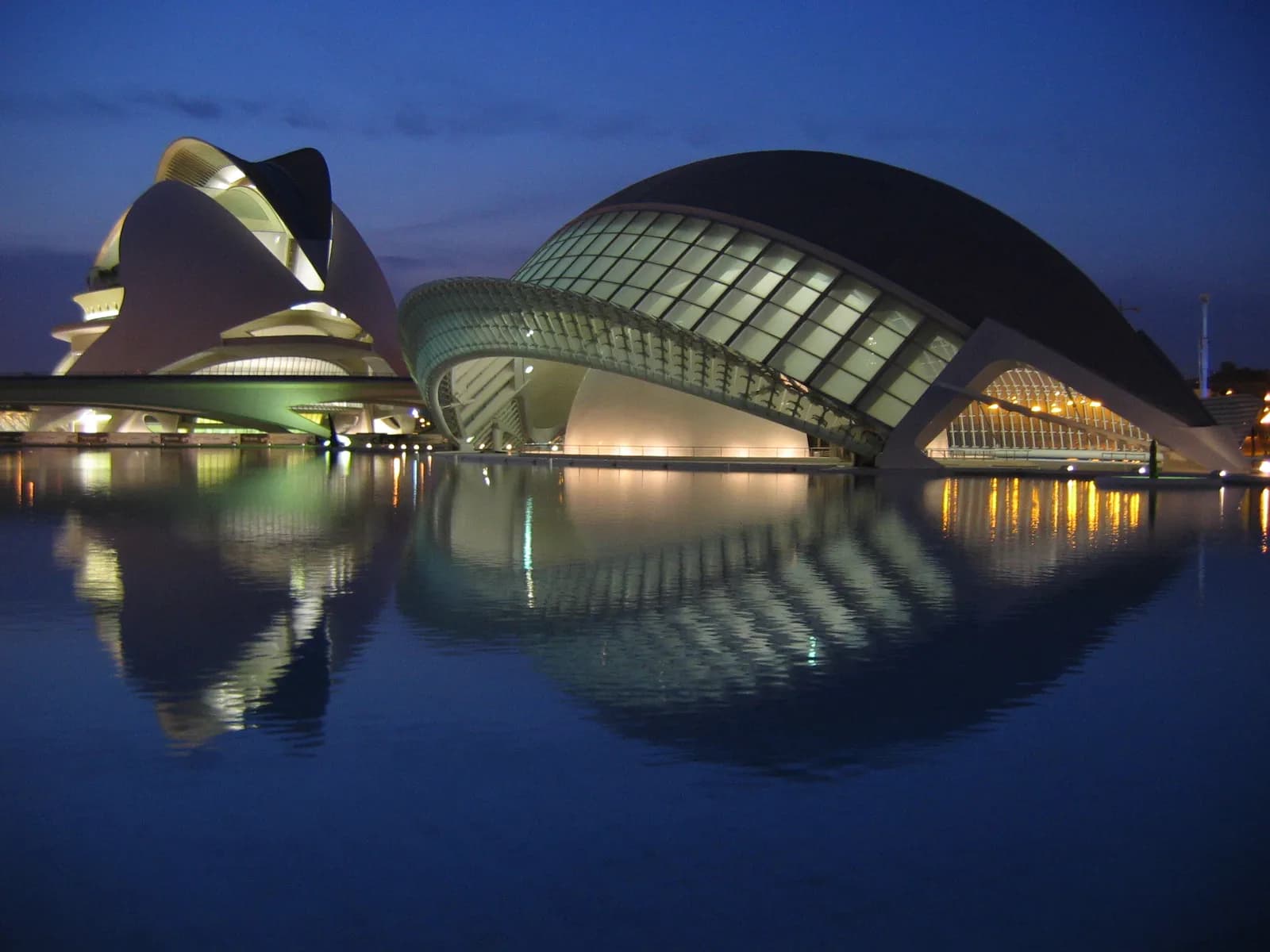
Beforehand, at the Ninot Exhibition in the Museu de les Ciències, you can see the figures each falla puts forward. The public votes on which one is saved from the fire: the ninot indultat. In 2026 tickets cost €4 (€2 for children) and it was open from 7 February to 15 March.
The Flower Offering and the cremà
- Flower Offering (17 and 18 March): thousands of falleros in traditional dress parade with flowers to Plaza de la Virgen, where they form the mantle of the Virgin of the Forsaken. The best places to watch are Calle San Vicente, Calle del Mar and Calle Caballeros. Once it's over, you can visit the flower tapestry.
- Cremà (19 March): you don't need to go to the centre. Every neighbourhood burns its own falla, so pick a big one near where you're staying and arrive half an hour early. The City Hall falla burns last and draws the biggest crowd.
Getting around and where to stay
- Metro and tram: the centre is closed to traffic and parking is practically impossible.
- Hotel: it's Valencia's busiest week of the year. Book months ahead.
- Almost everything is free: the mascletà, the Offering, the Nit del Foc, the cremà and walking among the fallas. You only pay for what you eat and drink and the odd paid visit.
If you have more days
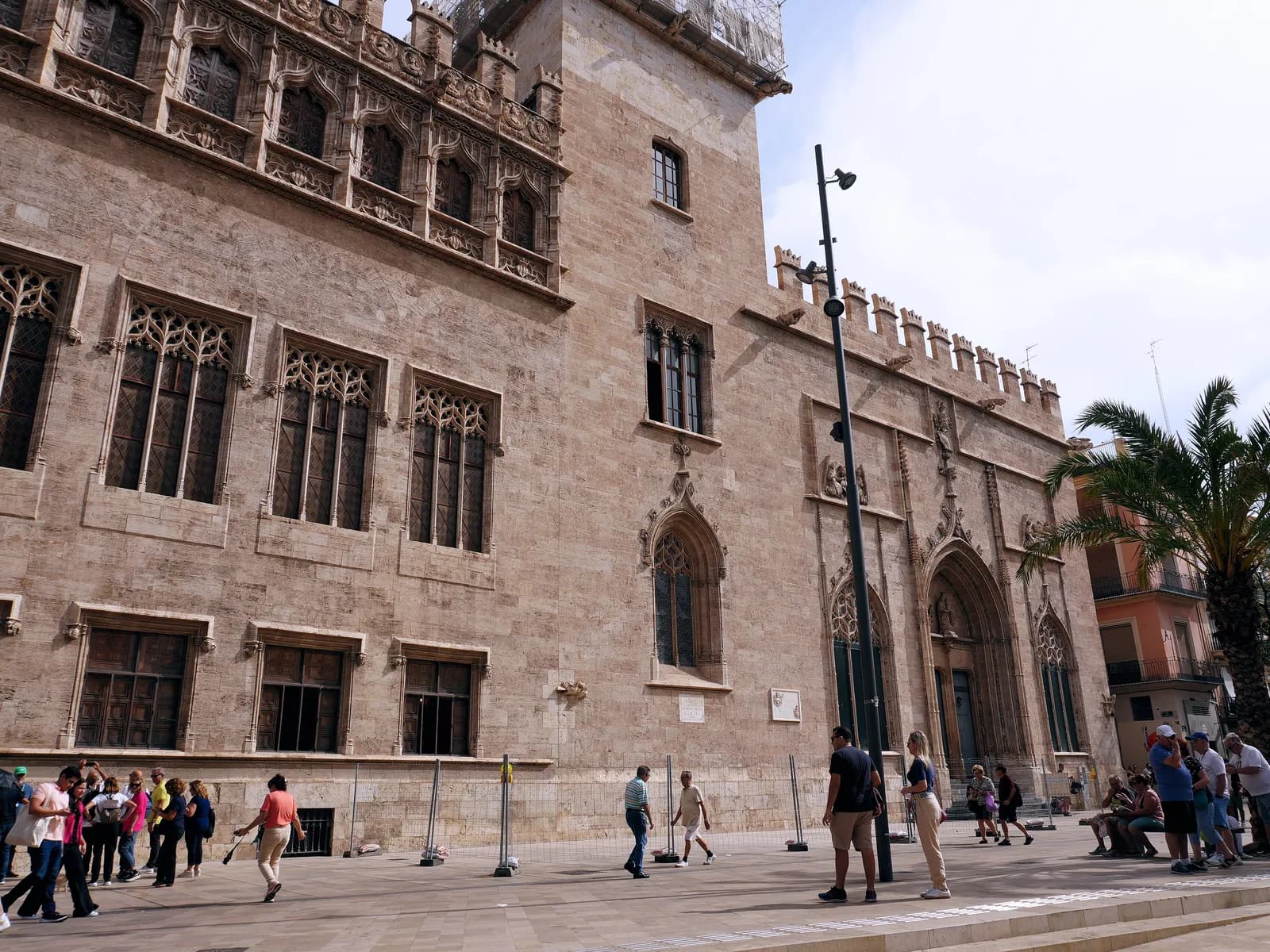
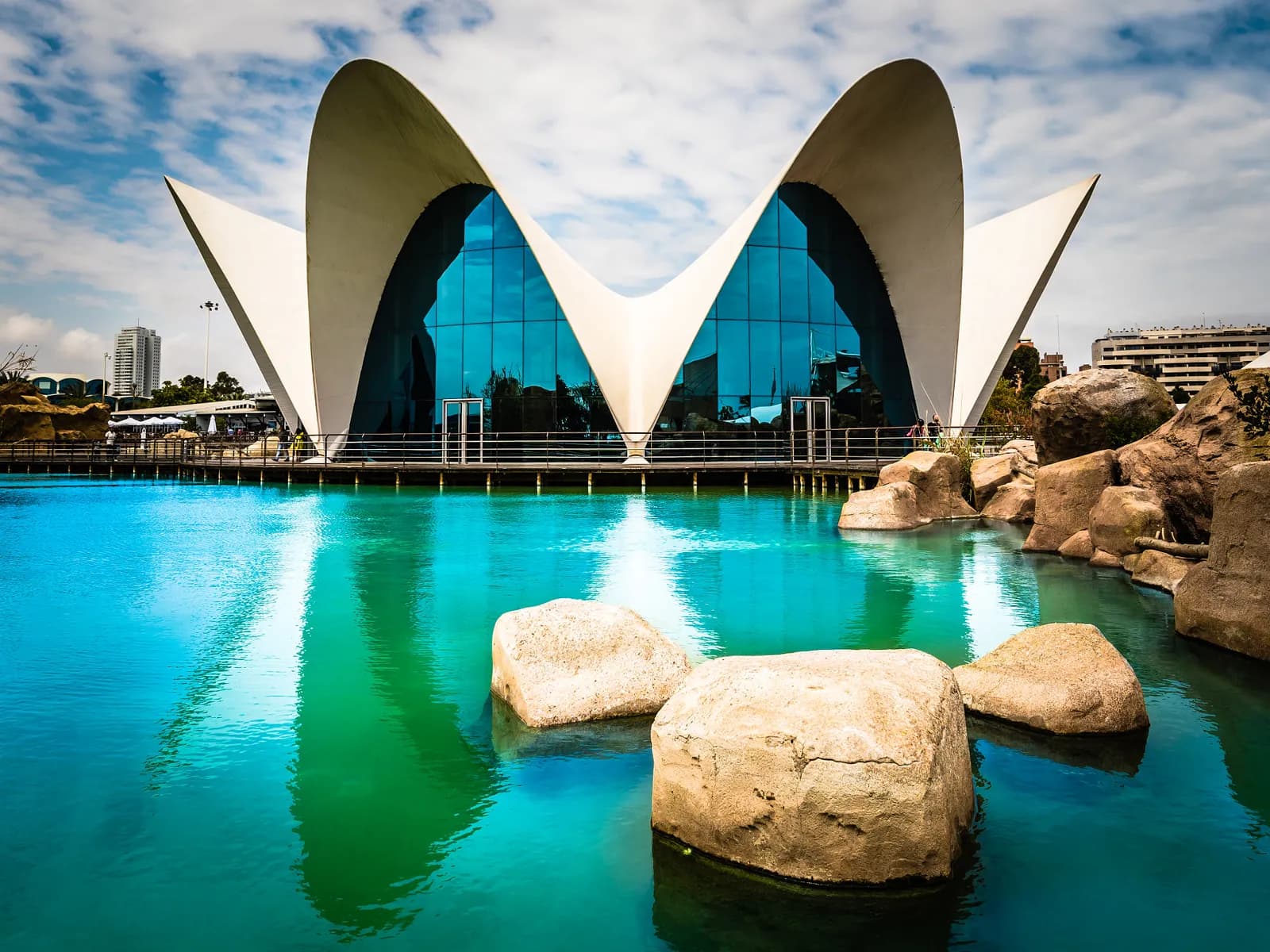
In the mornings, before the mascletà, it's a good time for the old town: the Cathedral, the Silk Exchange and San Nicolás. With kids, the Oceanogràfic is the indoor plan if it rains. And in 2027 Fallas ends on Friday the 19th and Seville's Holy Week starts on Sunday the 21st: you can combine both in one trip.
Common mistakes
- Turning up to the mascletà at 13:50: you'll end up three streets away. Arrive earlier or pick a weekday early in the month, when it's quieter.
- Only going on the 19th: you'll see the cremà but miss the fallas on display and the Offering. Ideally, go from the 16th to the 19th.
- Forgetting comfortable shoes and clothes: you walk a lot and there are firecrackers on every corner.
- Parking near a falla on the night of the 19th: streets close and firefighters hose down the façades.